The collection
Twelve eras, one journey through painting.
Each chapter brings together works from one period and briefly explains what defines it: places, ideas and the people who shaped it.
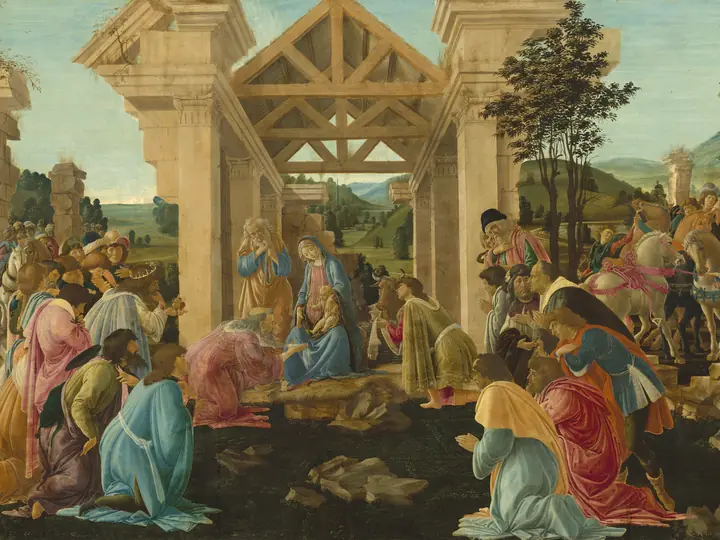
c. 1400–1600
Renaissance
Figures, perspective and classical models shape Renaissance painting. Raphael and Sandro Botticelli combine narrative scenes with carefully ordered compositions.
In the game Raphael · Vittore Carpaccio · Sandro Botticelli
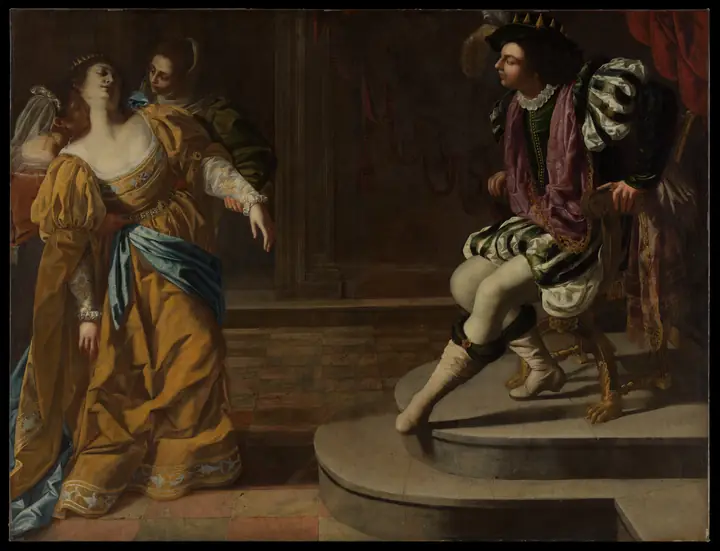
c. 1600–1750
Baroque
Dramatic gestures and closely observed objects offer two paths into Baroque painting. Artemisia Gentileschi tells stories through figures; Clara Peeters brings flowers and insects into focus.
In the game Peter Paul Rubens · Artemisia Gentileschi · Clara Peeters
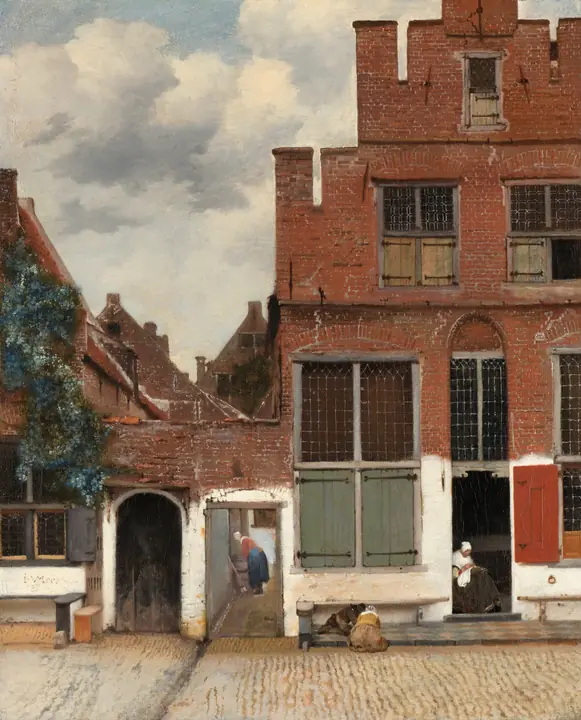
c. 1600–1720
Dutch painting
Daily life and landscape become independent subjects. Johannes Vermeer observes Delft’s houses; Jacob van Ruisdael shapes nature into an emotionally charged space.
In the game Johannes Vermeer · Rembrandt van Rijn · Jan Steen
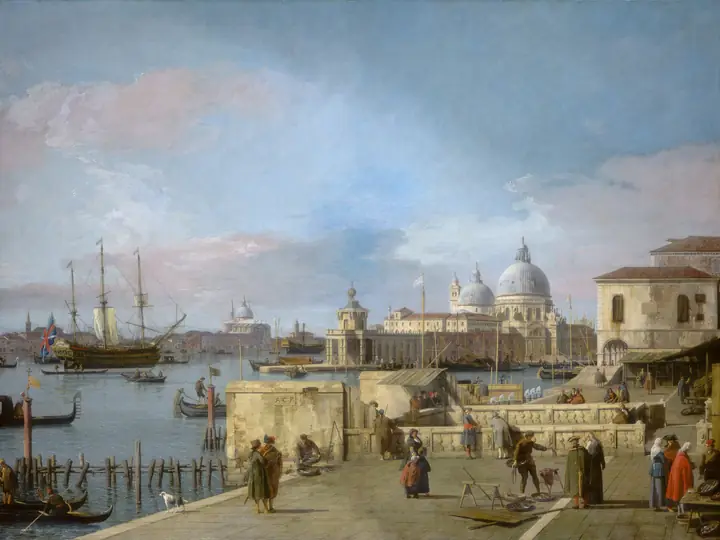
c. 1700–1780
Rococo and vedute
Theatre, sociability and decorative movement meet carefully composed city views. This chapter compares French Rococo with Venetian vedute, two distinct fields within eighteenth-century painting.
In the game Jean Siméon Chardin · Canaletto · Jean Honoré Fragonard
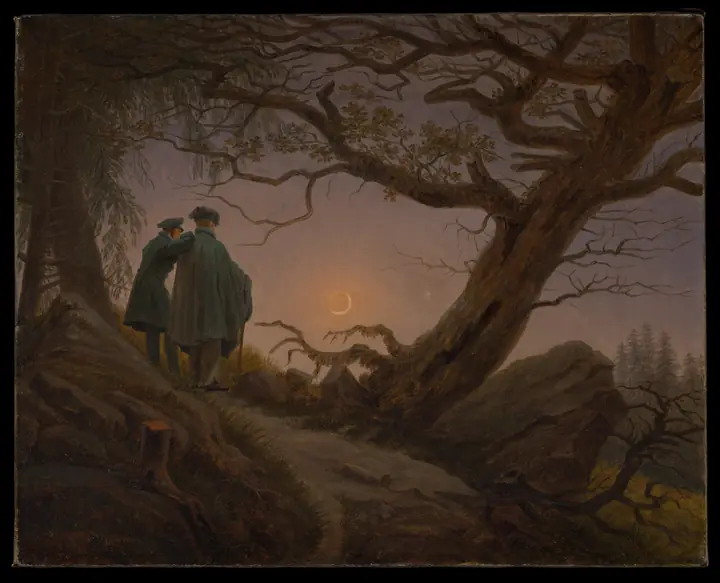
c. 1790–1850
Romanticism
Landscape conveys feeling, memory and the sublime. Joseph Mallord William Turner dissolves Venice in light; Caspar David Friedrich makes quiet contemplation itself the subject.
In the game Thomas Cole · Joseph Mallord William Turner · Caspar David Friedrich
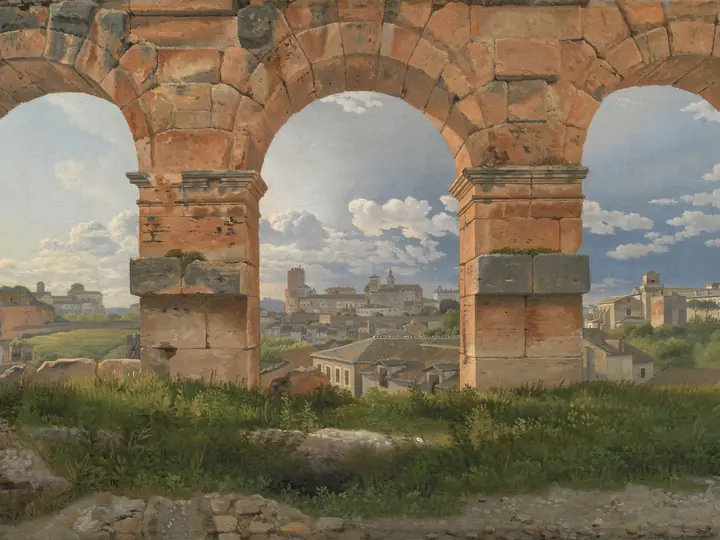
c. 1800–1850
Danish Golden Age
Eckersberg’s Roman view brings distant roofs close through a precise stone frame. Warm masonry, blue sky and small plants offer different paths for the eye.
In the game Christoffer Wilhelm Eckersberg
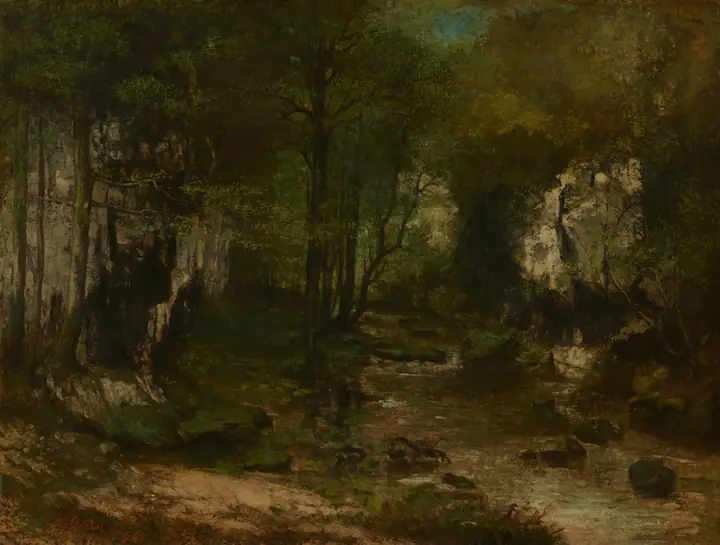
c. 1830–1880
Realism and Barbizon
Everyday work, animals and familiar landscapes gain new weight. Realist painters challenge grand academic subjects; around Barbizon, artists make woods and fields worthy of sustained attention.
In the game Jean-Baptiste-Camille Corot · Gustave Courbet · Charles-François Daubigny
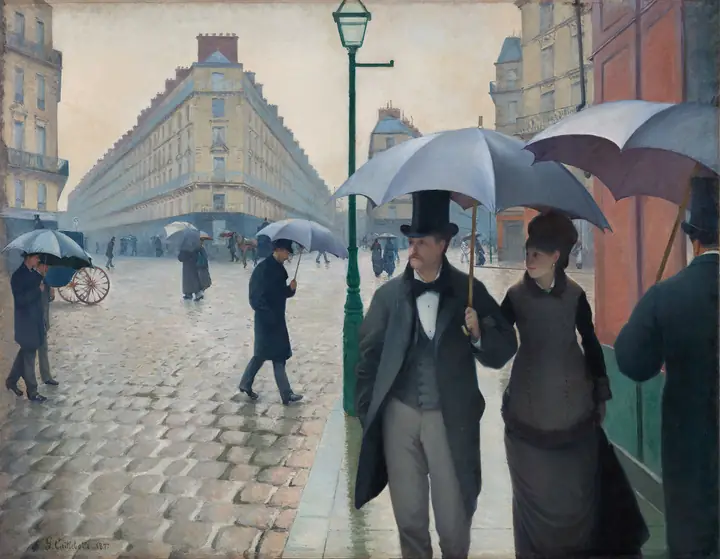
c. 1860–1910
Impressionism
Light, broken brushwork and modern life take centre stage. Claude Monet explores fleeting impressions; Édouard Manet is one of the movement’s key precursors.
In the game Claude Monet · Pierre-Auguste Renoir · Camille Pissarro
c. 1880–1910
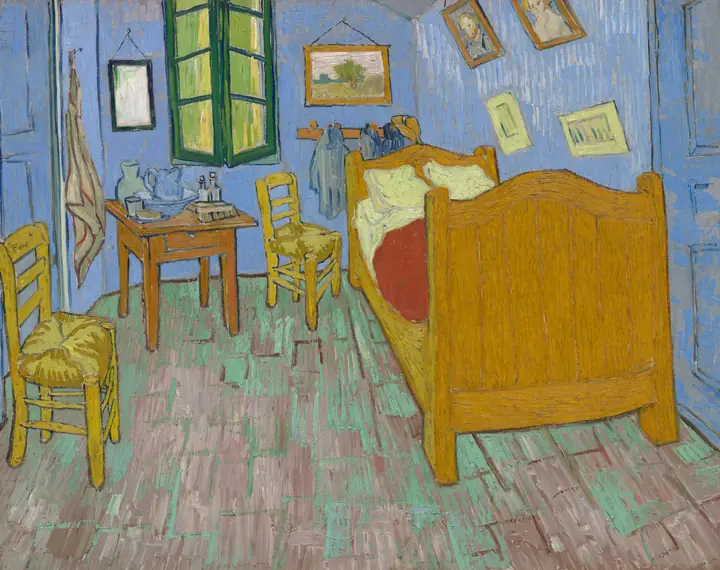
Post-Impressionism
Paul Cézanne builds landscapes from colour and form. The later term Post-Impressionism groups diverse individual approaches rather than one united circle of artists.
In the game Vincent van Gogh · Paul Gauguin · Paul Cézanne
from 1886; later developments into the early twentieth century
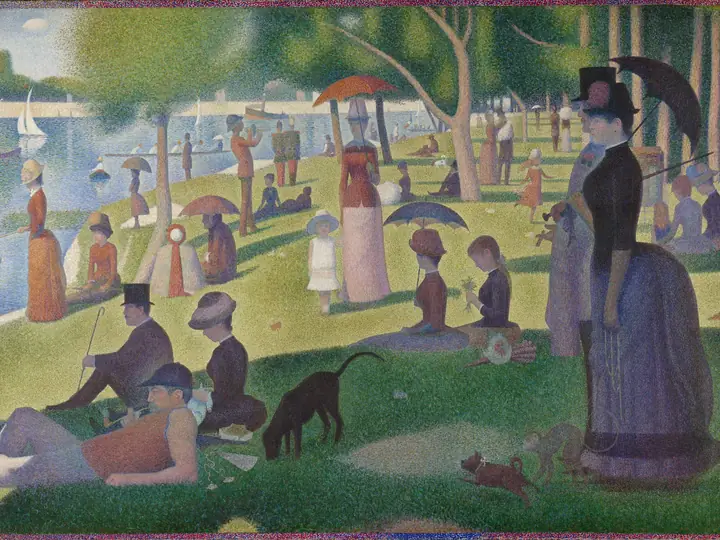
Neo-Impressionism
Separate colour marks meet deliberate composition. Georges Seurat and Paul Signac explore how neighbouring colours affect one another; their followers develop varied rhythms rather than one uniform dotted style.
In the game Georges Seurat · Henri-Edmond Cross · Paul Signac
c. 1870–1910; earlier precursors and later continuations
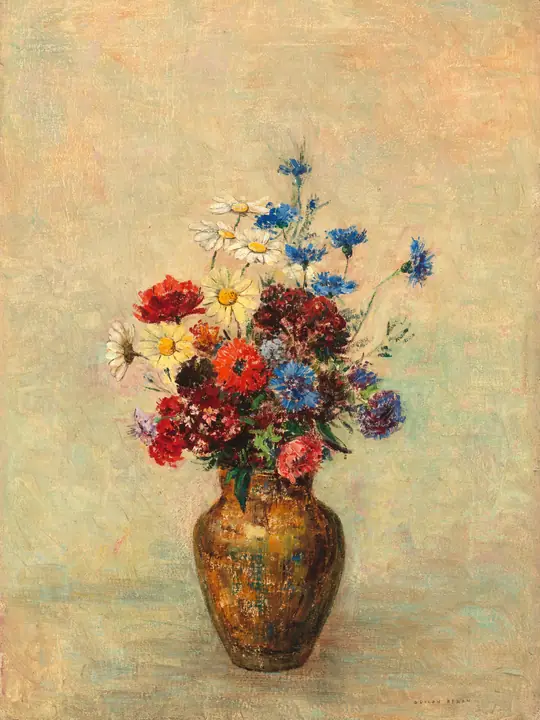
Symbolism
Myth, dream and inner experience reshape the visible world. Odilon Redon and other Symbolists use colour and suggestive forms to evoke ideas and feelings whose meaning can remain open.
In the game Odilon Redon · Arnold Böcklin · Edward Burne-Jones
c. 1905–1908
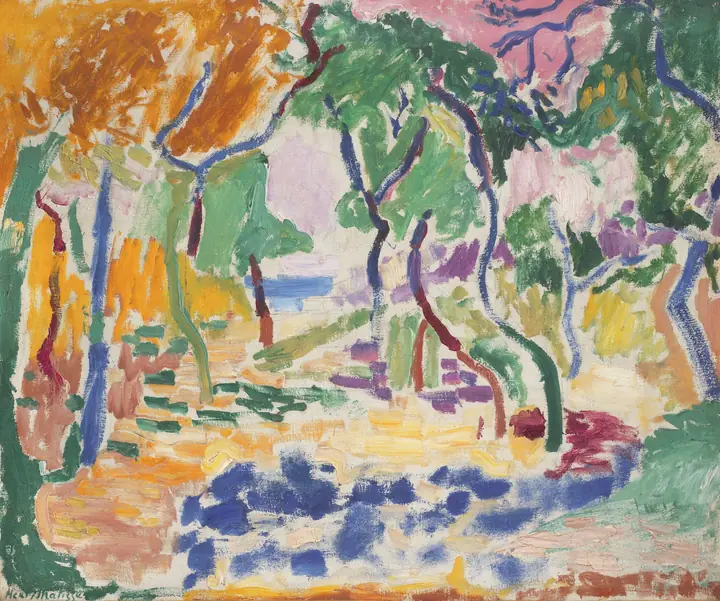
Fauvism
Colour gives Matisse’s streets and trees their own rhythm. Pink ground, blue shadows and green foliage become active parts of the composition.
In the game Henri Matisse
The collection keeps growing.
New works are added chapter by chapter. If you sign up, we will show them to you first.